Where Influence Meets Intention
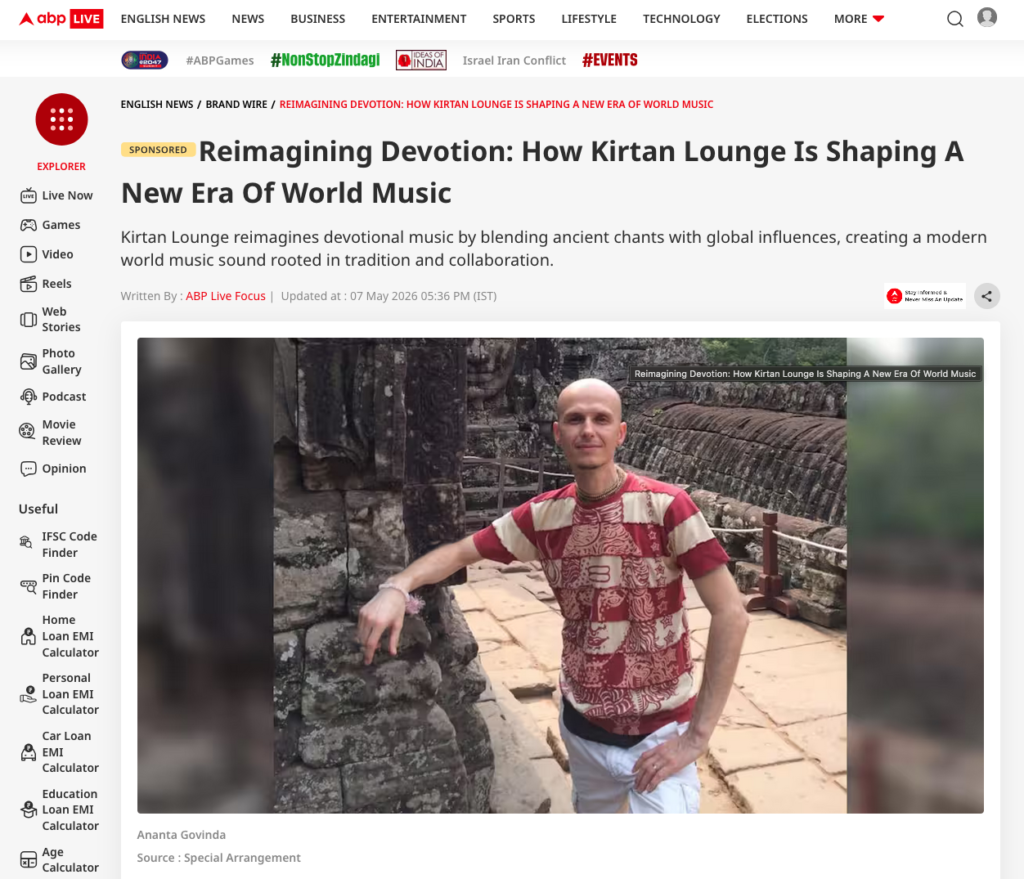
Ananta Govinda (aka Mantraman) musical influence plays a defining role in the direction and intent behind Kirtan Lounge. Although his formal education in classical piano provided a foundation, his interest in cross-cultural sounds and music opened new avenues and ideas, allowing his creative self to flourish in unexpected ways. Artists who incorporated Eastern and Western sounds and styles left a lasting impression, opening the door to a new way of thinking about and approaching music.
Ananta remembers hearing music with mantras and spiritual themes incorporated into new and different sounds, allowing a new dimension of storytelling through music to emerge. This eventually led him to study music at the Ali Akhbar School of Music, where he learned more about ragas and traditional music composition.
Influences can be seen throughout the compositions and pieces created by Ananta often incorporating a sense of movement and progression, not only through intent but also through a sense of evolution and discovery. This music engages with tradition, allowing old forms to take on new and exciting shapes without losing their essence.
From Kirtan Lounge to Enigmatica: Ananta Govinda’s Musical Journey
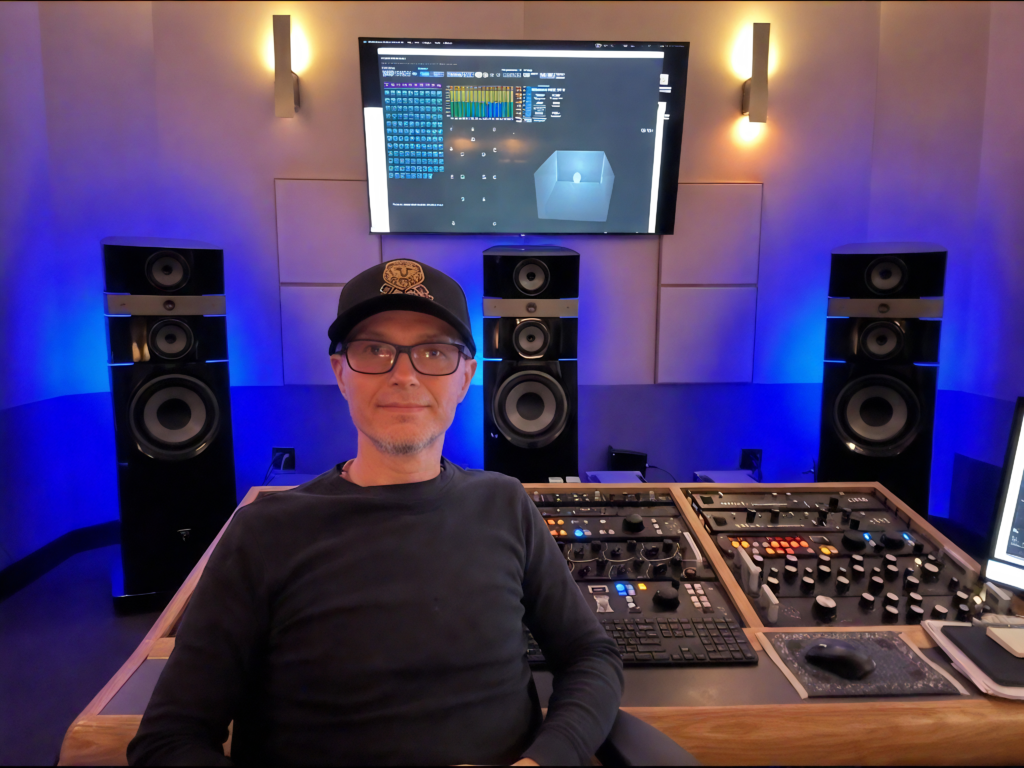
Ananta Govinda’s musical journey connects classical piano, Indian ragas, devotional chanting, and electronic production. Known also as Mantraman, he brought these influences together through Kirtan Lounge, developing an approach that would later find a natural extension in Enigmatica. For Enigma fans drawn to atmospheric music, cross-cultural voices, and a sense of discovery, that journey offers a connection worth exploring.
Ananta’s musical influences play a defining role in the direction and intent behind Kirtan Lounge. His formal education in classical piano provided a foundation, while his interest in music from different cultures opened new possibilities. Artists who brought Eastern and Western sounds into conversation left a lasting impression, encouraging him to think beyond the boundaries of any single musical tradition.
He remembers hearing mantras and spiritual themes woven into unfamiliar musical settings. These encounters revealed another dimension of storytelling: a composition could communicate through the relationship between a voice, a rhythm, and the space surrounding them. His curiosity eventually led him to study at the Ali Akbar College of Music, deepening his understanding of ragas and traditional composition.
That sense of exploration runs through Ananta’s work. His compositions develop through movement, repetition, and gradual changes in texture. Traditional forms become a starting point for discovery, retaining their character while finding expression through contemporary arrangements.
Kirtan Lounge: Devotional Music Meets Contemporary Production
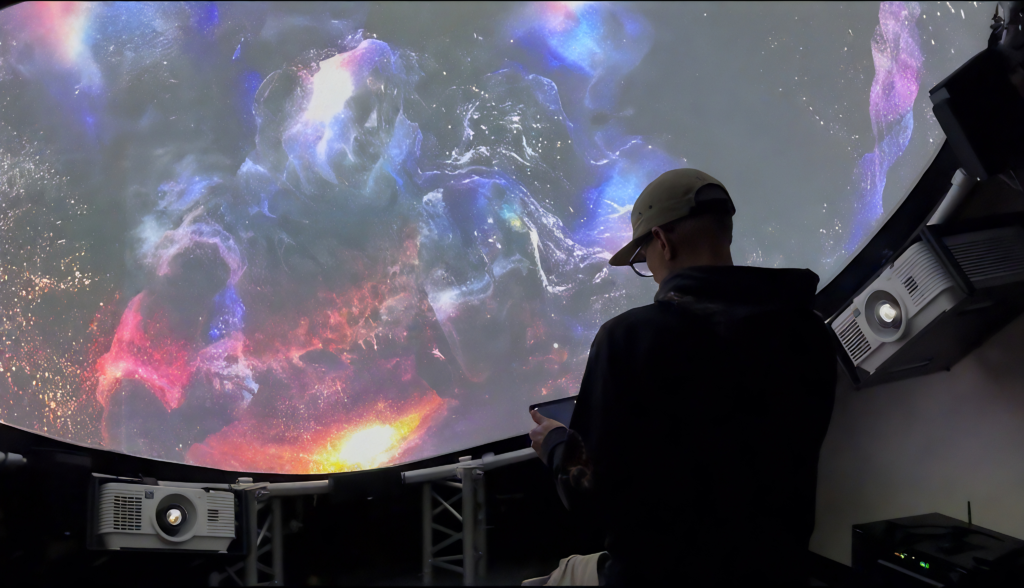
Kirtan Lounge gave this approach a shared creative home. Ananta Govinda and Gopi Kallayil began collaborating on music for meditation and mindfulness, bringing together musicians around an offering to the yoga community and listeners interested in world music. Collaboration was part of the project’s foundation, with different voices and musical backgrounds contributing to its development.
The Connection to Enigma’s Music
For listeners familiar with Enigma, the appeal of bringing distinct musical worlds together is easy to recognize. Michael Cretu’s project made the relationship between voice, atmosphere, and electronic rhythm central to its identity. “Return to Innocence,” for example, placed a recorded Taiwanese vocal performance within a contemporary production, creating a meeting point between different musical contexts
Kirtan Lounge approaches that meeting point through Ananta’s engagement with devotional practice and Indian musical traditions. The connection is an artistic affinity: an interest in how a voice can carry memory, how repetition can sustain attention, and how production can give familiar material a different emotional setting.
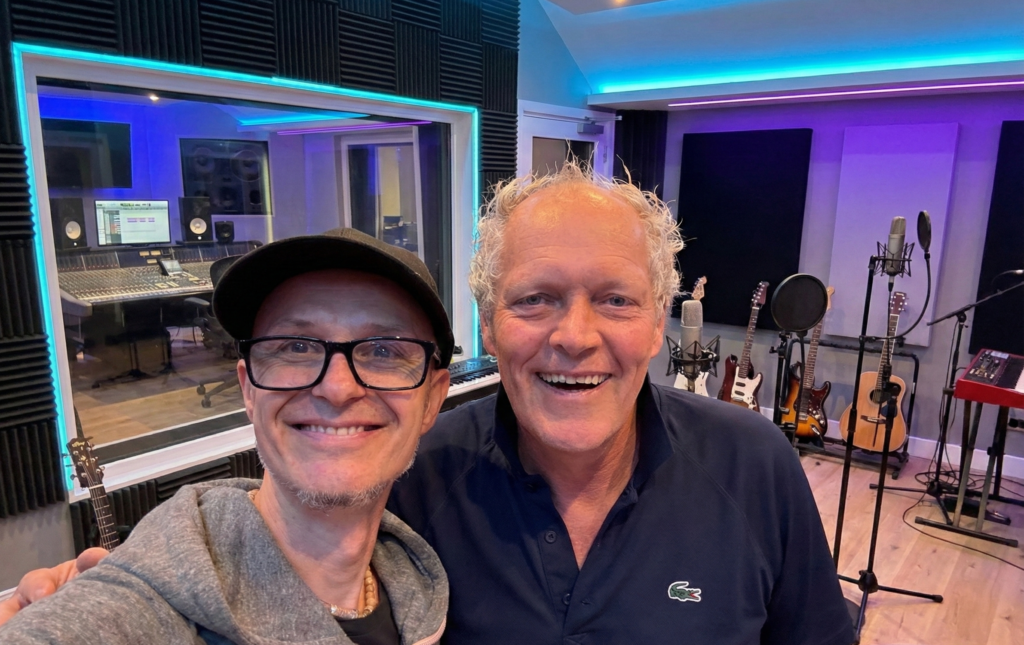
There is also a direct connection through Jens Gad. His documented Enigma work includes performance and engineering on The Screen Behind the Mirror, and arrangement, performance, and engineering alongside Michael Cretu on Voyageur. His collaboration with Ananta brings experience from those recordings into a new creative relationship.
Kirtan Lounge approaches that meeting point through Ananta’s engagement with devotional practice and Indian musical traditions. The connection is an artistic affinity: an interest in how a voice can carry memory, how repetition can sustain attention, and how production can give familiar material a different emotional setting.
That connection takes a specific musical form in Enigmatica’s remake of “Return to Innocence.” In the middle break, tablas and mantras introduce a new passage inspired by Indian ragas. This section brings Ananta’s musical studies and devotional practice directly into the arrangement, creating space within the familiar song for a different rhythmic and vocal expression.
The interplay between tabla percussion and repeated mantras gives the break its own character. Drawing inspiration from the unfolding quality of a raga, the passage invites the listener to linger within a musical mood before returning to the song’s main themes. It also makes the relationship between Kirtan Lounge and Enigmatica audible: the approach to chant and Indian musical traditions developed through one project becomes part of the creative language of the other.
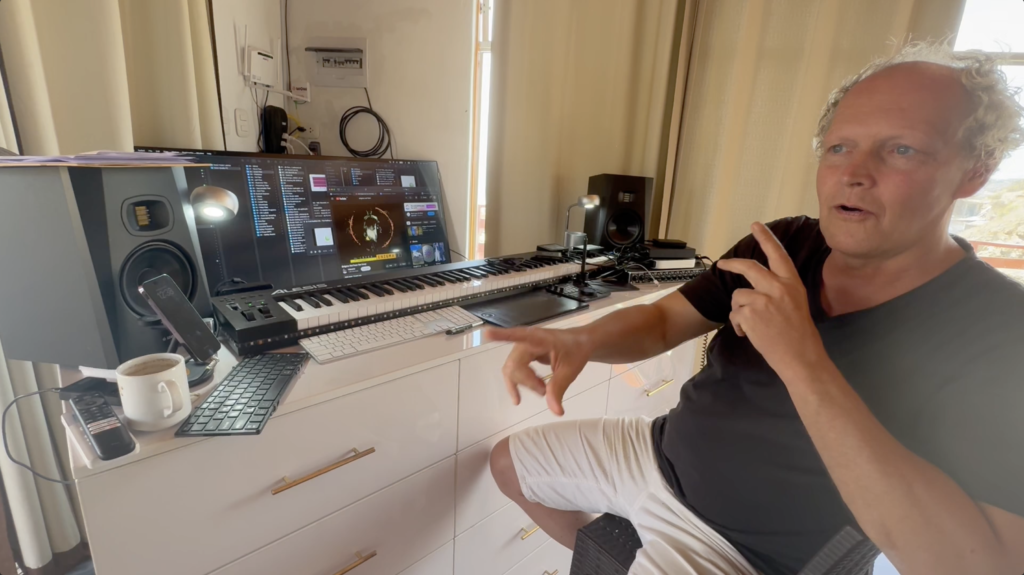
For listeners who know the original Enigma recording, this addition offers a new point of discovery. The remake preserves a connection to the song’s emotional world while allowing Ananta and his collaborators to contribute their own musical experiences. The middle section becomes a meeting place between the atmosphere of “Return to Innocence” and the devotional sensibility that has shaped Kirtan Lounge.
There is also a direct connection through Jens Gad. His documented Enigma work includes performance and engineering on The Screen Behind the Mirror, and arrangement, performance, and engineering alongside Michael Cretu on Voyageur. His collaboration with Ananta brings experience from those recordings into a new creative relationship, where familiarity with Enigma’s sound meets Ananta’s background in mantras, Indian musical traditions, and immersive production